

"Discovering how cells make fate decisions and self-organize in space and time during early mammalian embryogenesis."

“Understanding the molecular, mechanical, and signaling mechanisms that govern cell fate decisions and enable the self-organization of cells into complex organisms”

"Deciphering the choreography that shapes early mammalian development"
Research

Mouse development
The Buitrago-Delgado Lab investigates how spatially organized molecular, mechanical, and bioelectrical cues coordinate cell fate decisions and developmental patterning during mouse preimplantation development, from oocyte maturation through blastocyst formation.

Human Development
We use synthetic embryo-like structures, including human blastoids and gastruloids, to uncover the biological principles that govern early human embryogenesis and cell fate determination

Signaling dynamics
We study how signaling pathways coordinate cell specification and patterning during early human development using fluorescent reporter cell lines in human embryo-like structures to visualize and quantify signaling dynamics in real time.
Publications
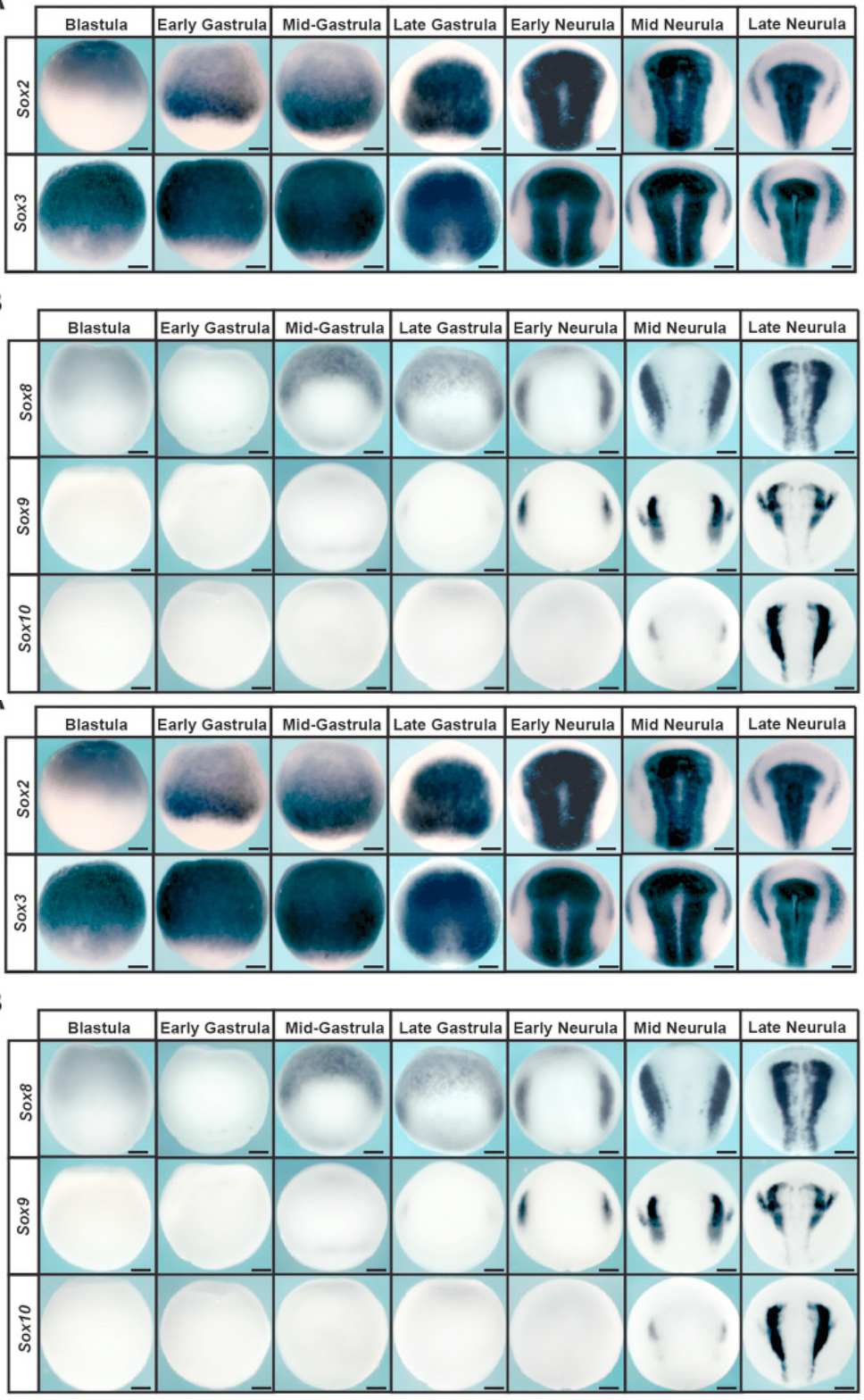
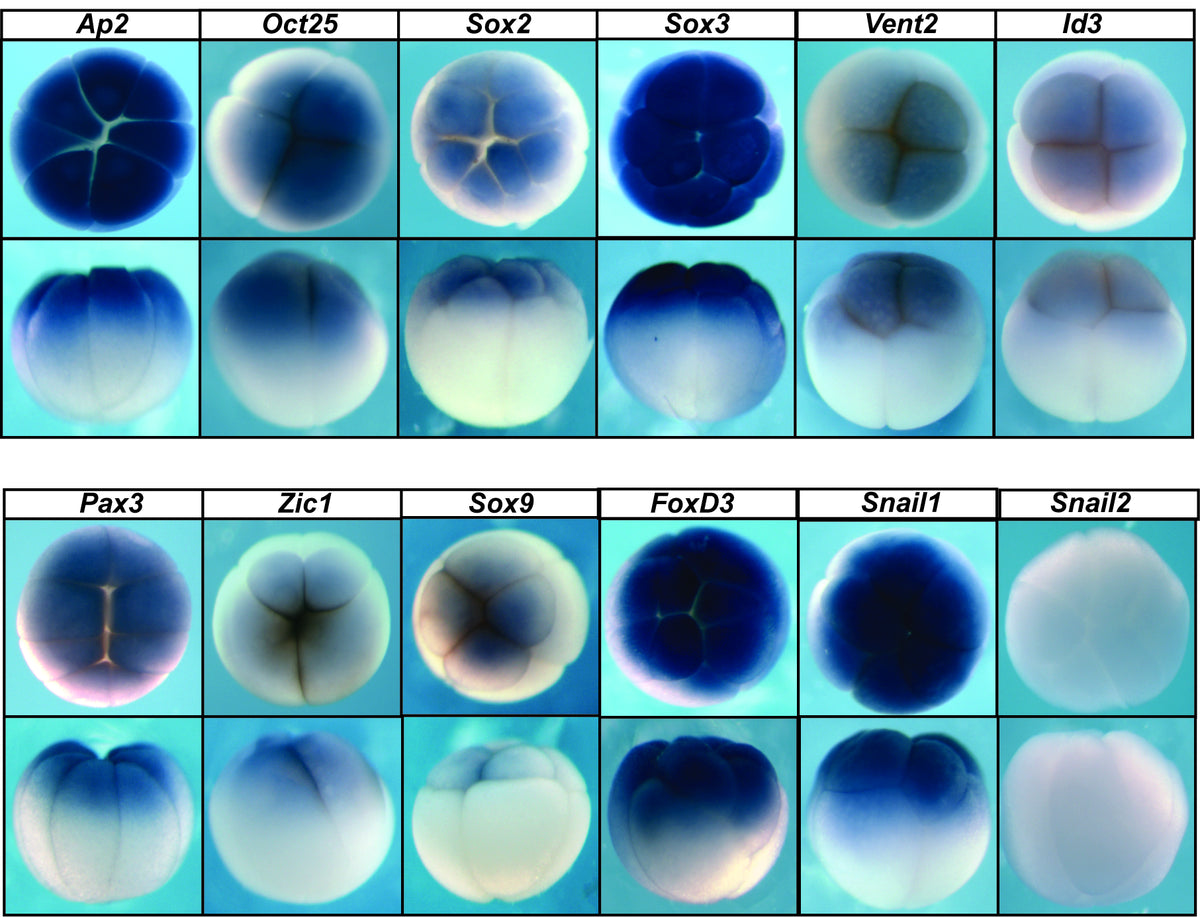
Shared Regulatory Programs Suggest Retention of Blastula-Stage Potential in Neural Crest Cells.
Read More
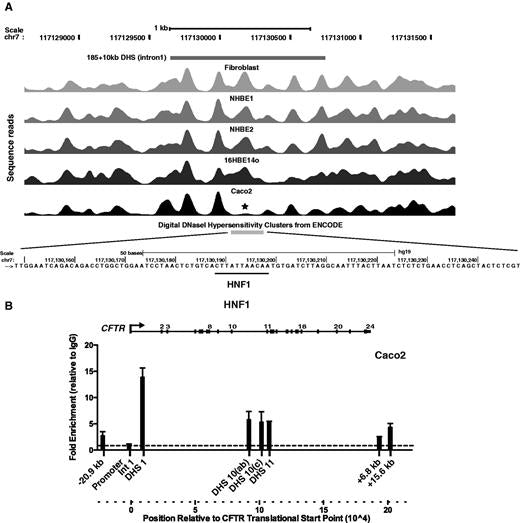
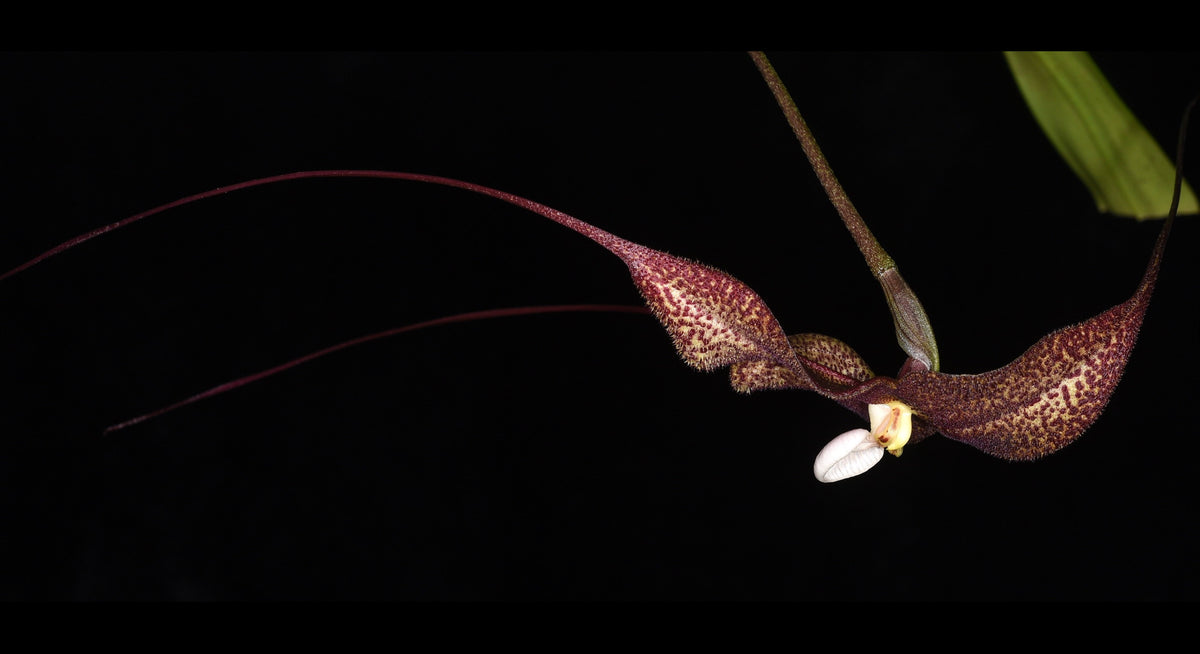

Un registro nuevo de Pleurothallis (Orchidaceae) para Colombia.

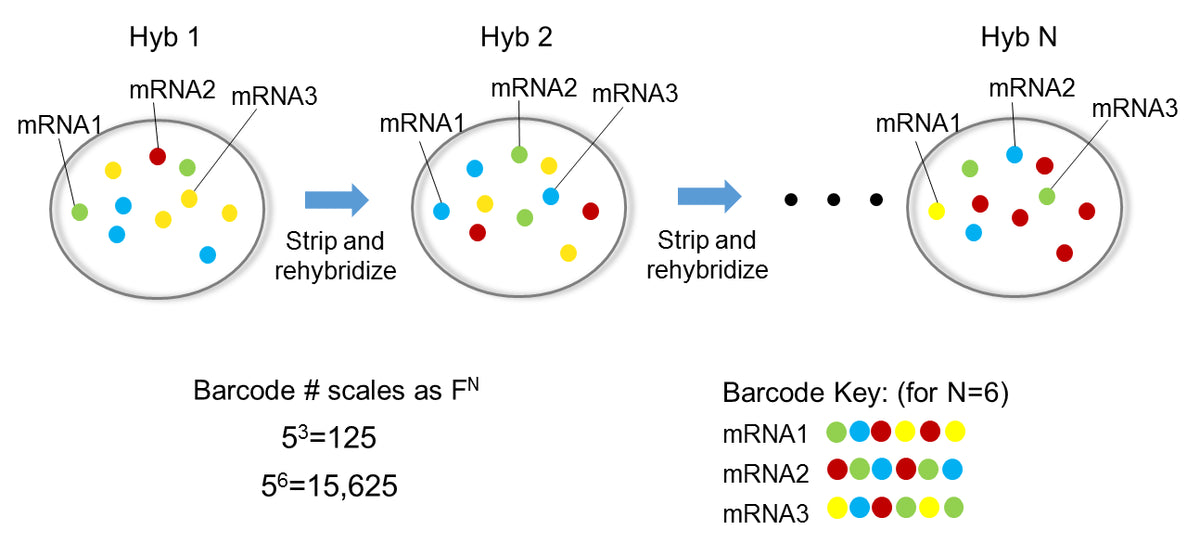
Seeing is believing
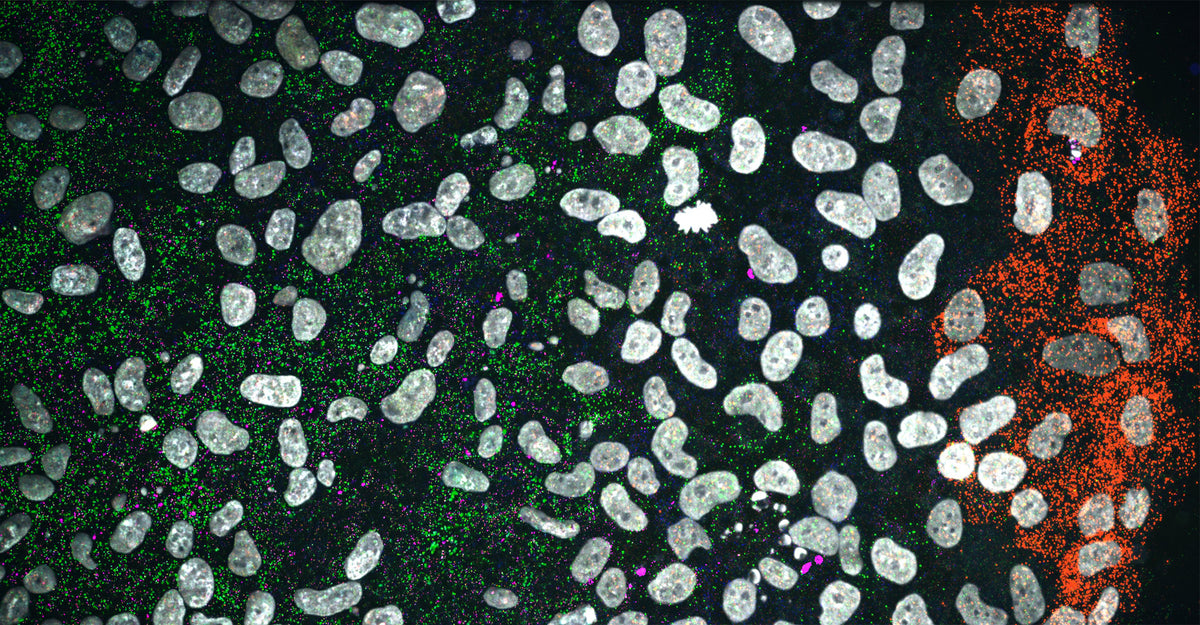
Spatial transcriptomics transforms gene expression into a spatial blueprint of life, revealing how cells function, interact, and organize within their native tissue environment.


“Join the Buitrago-Delgado Lab at UCSD.”

“Join the Buitrago-Delgado Lab at UCSD.”

“Join the Buitrago-Delgado Lab at UCSD.”

“Join the Buitrago-Delgado Lab at UCSD.”

“Join the Buitrago-Delgado Lab at UCSD.”
We thank our sponsors


